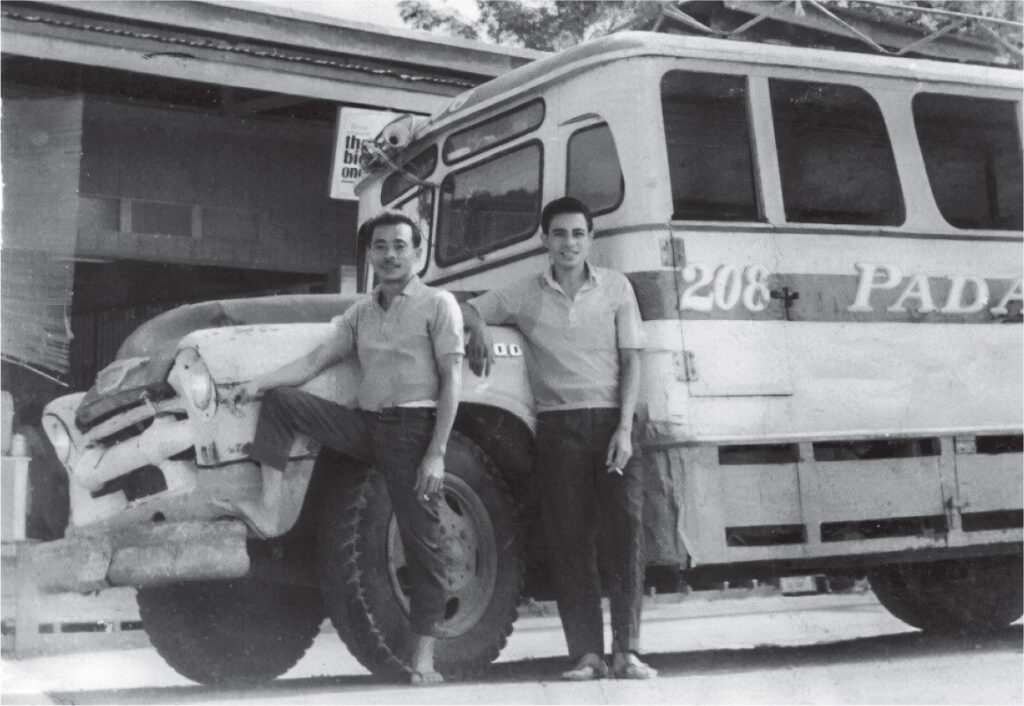
There was a year in grade school when my father promised me a bicycle if I topped my class. I studied like that bicycle was already mine. I never got it. What I remember, decades later, is that the promise itself — made by a
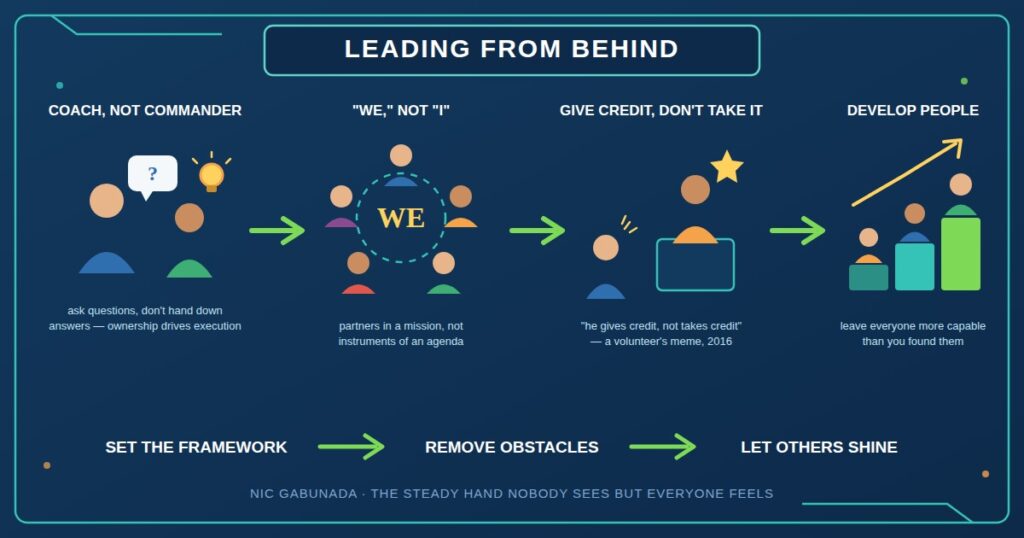
Key Takeaway I was always more comfortable making the campaign work than taking the bow — that became a management philosophy Coach, don’t command: people execute what they own, and they own what they helped figure out ‘We’, not I — the pronoun signals whether
September 15, 2026 · 4 min read · Campaign Chronicles
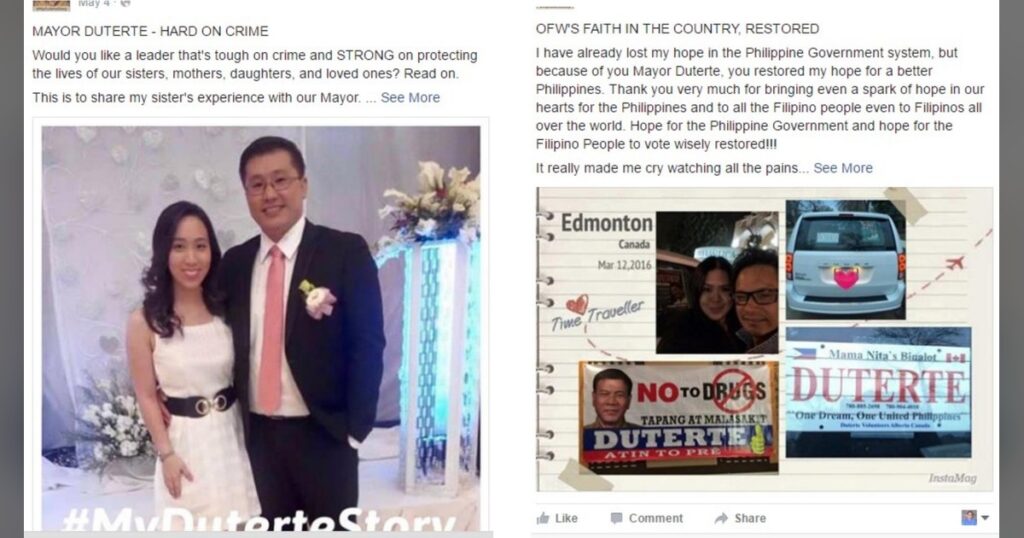
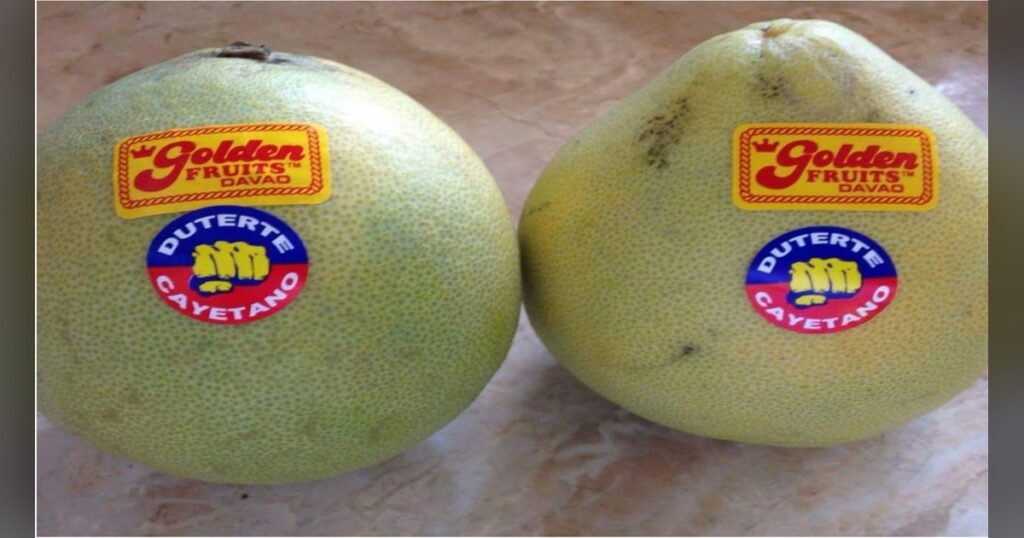
MyDuterte Story Campaign Case Study: Scaling Authentic Personal Narratives Key Takeaways One instruction to volunteers: “Tell your Duterte story.” No template, no brief, no format required The most credible voice in any campaign is always an ordinary person telling the truth Stories came in every
September 10, 2026 · 4 min read · Campaign Chronicles
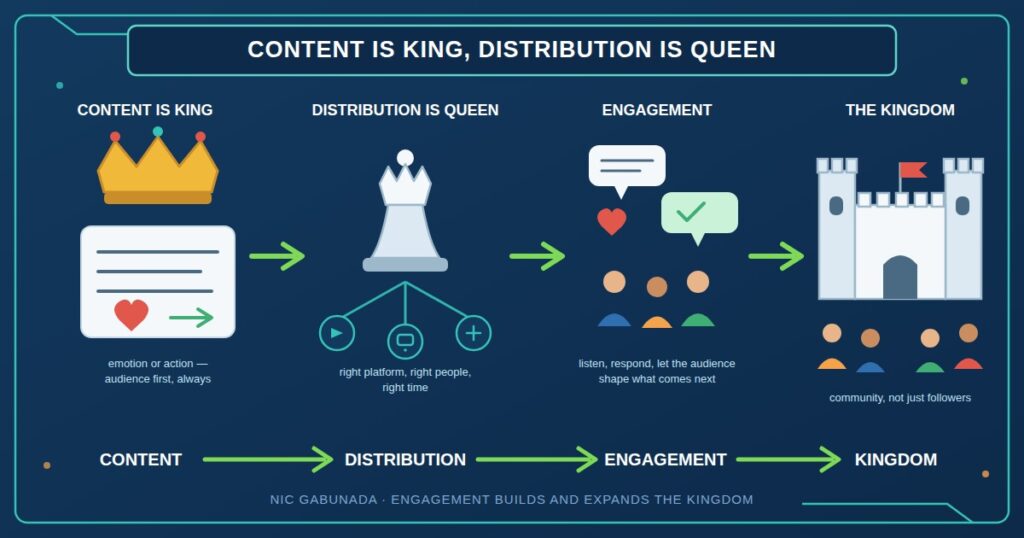
Key Takeways: Content is King, Distribution is Queen, Engagement builds the Kingdom — the architecture of every campaign I’ve run Good content evokes emotion or prompts action; format matters far less than the message Filipino cultural shorthand — hugot, kilig, pride — is what makes
September 8, 2026 · 4 min read · Campaign Chronicles
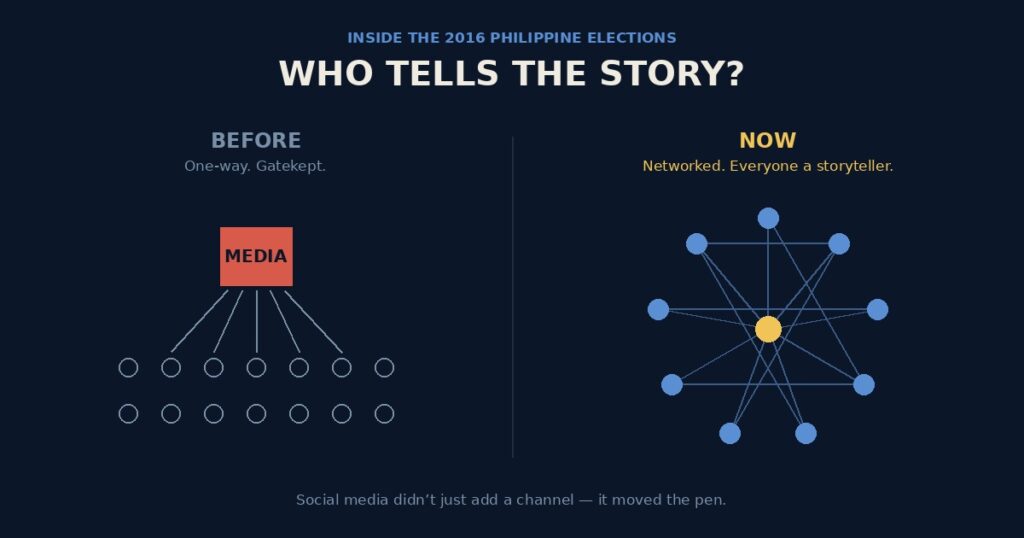
The Democratization of Media in the Philippines: How Social Media Changed Narrative Making Series: Inside the Campaign Eighth of Ten Parts Key Takeaways Before social media, narrative making was controlled by big media companies — we were just the audience Social media made every Filipino
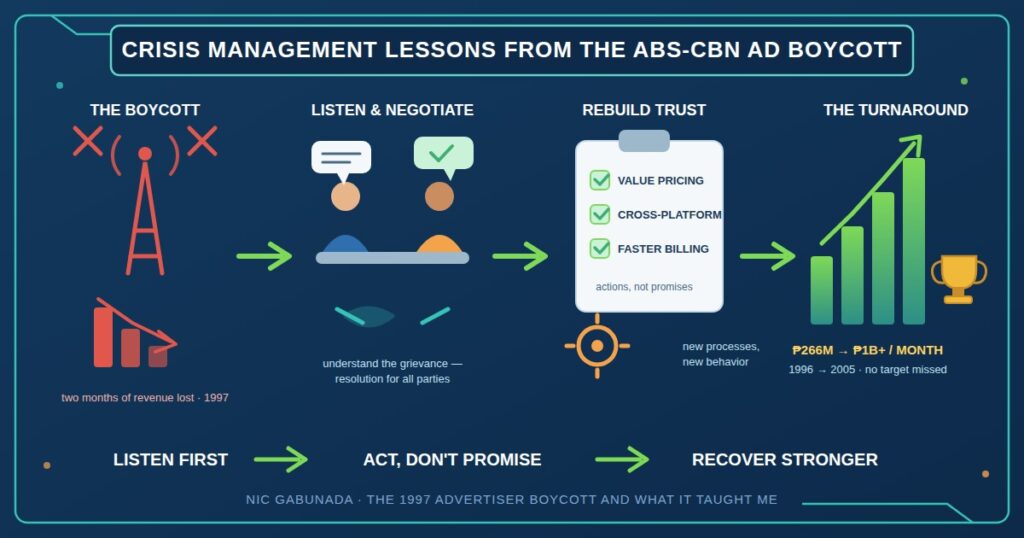
Key Takeaways: I was appointed Head of Sales and Marketing at ABS-CBN in February 1997–straight into an advertiser and ad agency boycott Lesson 1: understand what the aggrieved side actually needs before you defend or counter Lesson 2: trust is rebuilt through behavior, not statements
September 1, 2026 · 4 min read · Campaign Chronicles
Series: Inside the Campaign Seventh of Ten Parts Key Takeaways Our first TV buy was ₱8M — used to test four regional cities, not flood national airwaves The leading spender spent ₱500M+ on advocacy ads. Our official spend was ₱371M — and our real media
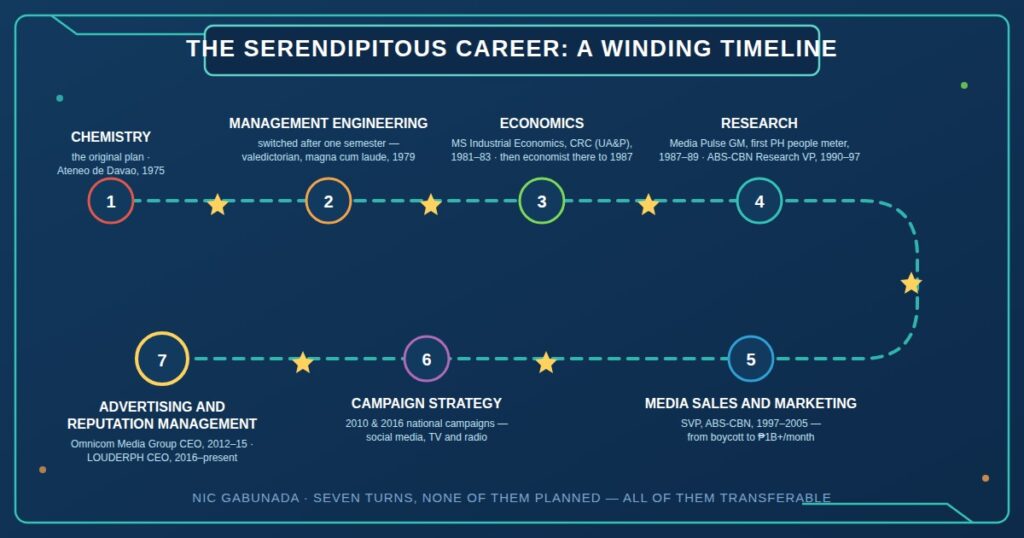
Key Takeways: I enrolled in BS Chemistry; two professors talked me into Management Engineering — the first serendipitous turn of many From activist detention in Davao to economics at CRC to Media Pulse to ABS-CBN: none of it was planned When Freddie Garcia handed me
August 25, 2026 · 5 min read · Campaign Chronicles
Series: Inside the Campaign Sixth of 10 Parts Key Takeaways Engagement metrics are not the same as real-world impact — this distinction cost other campaigns dearly We used a three-stage framework: Arouse (emotion), Organize (structure), Mobilize (action) Online groups were aligned into four clusters: OFWs,